Pasta Nutrition – Quick Facts
- One cup of cooked pasta is the size of your fist.
- Uncooked dry pasta can be kept for up to a year.
- The “Pasta Rule” in cooking is 1-10-100 meaning 1 liter of water, 10 grams of salt, 100 grams of pasta.
- One cup of cooked pasta contains about 200 calories, in addition to valuable vitamins and minerals.
- A two-ounce serving of spaghetti is equivalent to one cup of cooked pasta.
- Complex carbs like pasta are broken down slowly in the body. This means they provide a slow release of energy, keeping you revved up throughout the day.
Follow Us on Social Media
LinkedIn: @National Pasta Association
Twitter: @sharethepasta
Facebook: @SharethePasta
Instagram: @sharethepasta
Why We Love Pasta
Healthy
As a source of complex carbohydrates with a low glycemic index, pasta provides steady energy by releasing glucose slowly into the bloodstream. When combined with nutrient-rich vegetables and lean proteins, pasta contributes to balanced meals that support sustained energy and overall diet quality.
Affordable
Pasta is a budget-friendly pantry staple that transforms simple ingredients or leftovers into hearty, satisfying meals. Its cost-effectiveness and versatility make it especially valuable for busy families looking to enjoy nutritious dinners without overspending.
Versatile
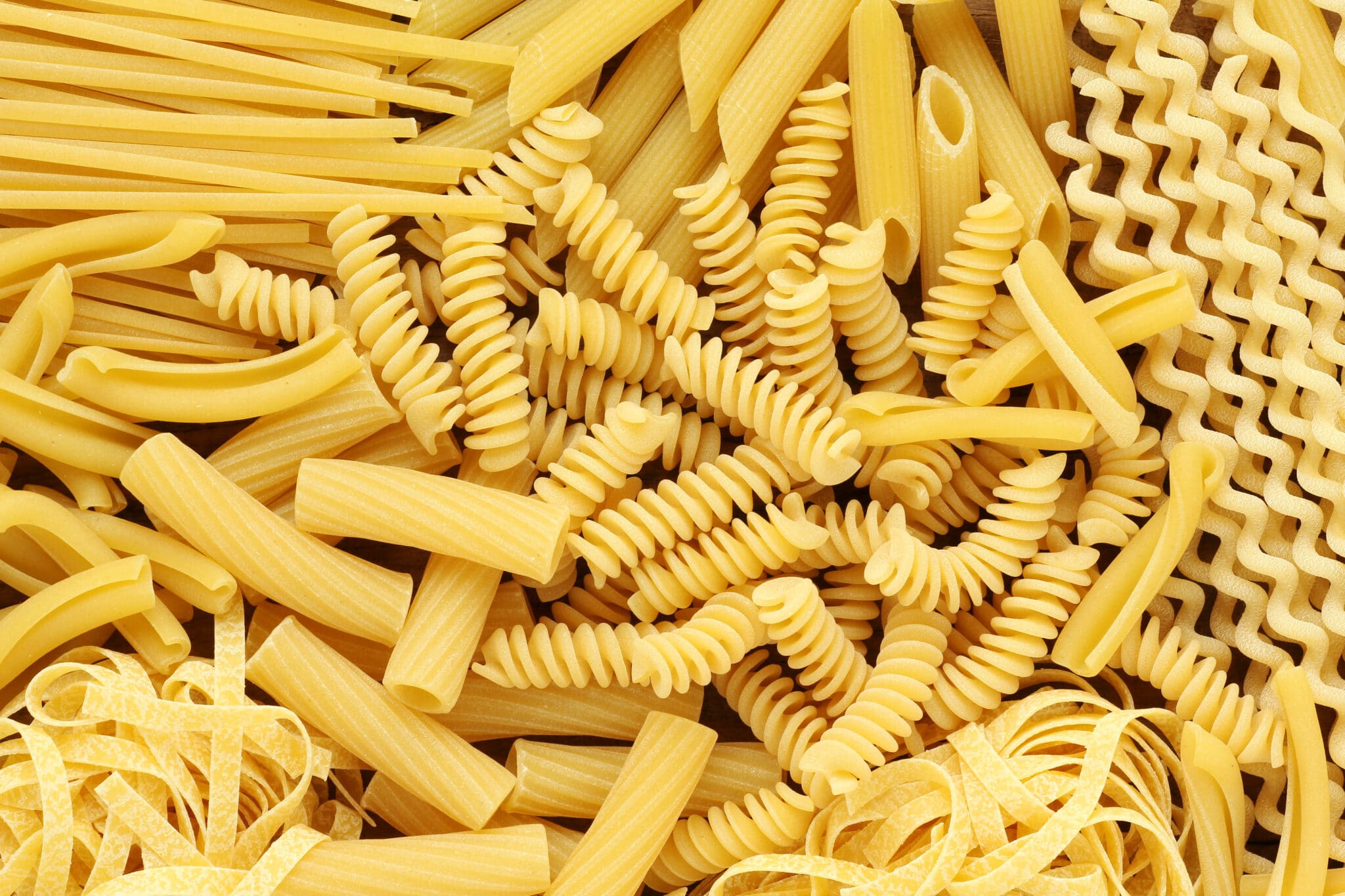
Pasta’s wide variety of shapes and sizes makes it a favorite for both kids and adults. It pairs with vegetables like red peppers, broccoli, and zucchini, and can be enhanced with a range of sauces. Getting kids involved in preparing and cooking pasta dishes adds an element of fun and encourages healthy eating habits.
Full of Flavor
Few foods offer the same level of flavor and versatility as pasta. With just a pot of boiling water and your favorite pasta, you can create a delicious meal in no time. Pasta comes in a variety of forms — dry, filled, fresh, and frozen — such as tortellini, ravioli, and cavatelli, each bringing its own unique taste to the table. Pasta is a go-to for quick nourishing meals that are ready in under 20 minutes. Plus, its ability to shine in imaginative one-pot meals and vibrant one-bowl salads makes cleanup a breeze. Enjoy the endless flavor possibilities pasta has to offer.
More Pasta Information
Pasta is a nutritious and affordable staple that provides long-lasting energy and essential nutrients. With a low glycemic index, it fuels the body steadily, and enriched varieties offer added benefits like iron and B vitamins. Paired with vegetables, lean proteins, and healthy fats, pasta is a versatile and wholesome choice for balanced meals. Check out more information on how pasta can improve your diet.
Recent research in Nutrients suggests pasta consumption does not contribute to being overweight or obesity and in fact may be inversely associated with Body Mass Index (BMI) or abdominal obesity.
- Boosts Vegetable Intake
Pasta is a perfect way to add more vegetables to your diet. Pasta also acts as blank palette for any flavor profile. Use spices, herbs or seasonings for a Mediterranean, Asian, Italian or fusion meal.
- Pasta Makes You Happy
A recent study proved what we have known –pasta makes you happy. The study measured 40 participants physical and neurological changes as they ate pasta, and then compared those responses to reactions from listening to their favorite songs or watching a sporting event. They found participants were happiest when eating pasta.
- Pasta Eaters Get More Nutrients
Pasta eaters have greater intake of key nutrients like folate, iron, magnesium, dietary fiber and vitamin E than non-pasta eaters. Another study found pasta-eaters had a higher daily consumption of vegetables compared to non-pasta eaters.
- Pasta Provides Energy.
Pasta is a complex carbohydrate, so it is absorbed and digested more slowly than simple carbohydrates. This provides excellent energy for physical activity and sports.
- Pasta Improves Diet Quality
Research shows people who eat pasta have higher Healthy Eating Index scores and better quality diets than those who don’t eat pasta. This also indicated pasta eaters are more likely to meet U.S. Dietary Guidelines than non-pasta eaters.
Additional Pasta Research
- Research Finds that People Who Eat Pasta Have Better Overall Diets
- New Study Shows Mediterranean Diet Preserves Cognitive Function